Utah
Utah cryptids and folklore span lake monsters, wilderness sightings, ghost stories, mining legends, and modern paranormal reports. The state’s traditions developed around Mormon settlement, mining communities, Indigenous cultures, ranching, and nineteenth-century newspaper accounts.
Bear Lake and Moon Lake have their own monster stories, while Bigfoot reports cluster around the Uinta Mountains. Dead Horse Point contributes horse legends from canyon country, and the Uintah Basin became associated with unusual ranchland phenomena. Utah’s deserts, mountain lakes, mining districts, and remote roads give these traditions sharply different regional settings.
Bear Lake Monster (Bear Lake / Utah–Idaho Border)
The Bear Lake Monster is a nineteenth-century lake-monster legend from Bear Lake on the Utah–Idaho border. Joseph C. Rich published the foundational account in the Deseret Evening News in 1868. He reported several secondhand sightings of large animals moving rapidly through the lake. One group claimed to see four large creatures and six smaller ones crossing the water. Descriptions varied, including serpentine bodies, legs, and animals ranging from horse-sized to enormous.
Newspaper interest continued through the following decades. Rich later said his reports had been written as a promotional hoax. The legend nevertheless continued through later sightings, local storytelling, tourism, and community events. Utah State University installed a folklore marker in Garden City in 2024. Bear Lake Monster Winterfest returned to the state park marina on January 30 and 31, 2026.

Skinwalker (Diné Tradition / Four Corners Region)
The Skinwalker is a figure in Diné witchcraft tradition, associated with human witches who take animal forms. Anthropologist Clyde Kluckhohn’s study of Navajo witchcraft records were-animal traditions within a broader system of feared witchcraft. Margaret Brady’s 1984 University of Utah Press study documents skinwalker narratives told among Navajo children. Stories commonly involve night travel, animal disguise, witchcraft, and encounters near homes or roads.
The tradition belongs to Diné communities across the Navajo Nation, including southeastern Utah. The Natural History Museum of Utah notes that Navajo lands extend across Utah, Arizona, and New Mexico. Brady found skinwalker stories still actively circulating in late twentieth-century Navajo storytelling. Her book includes chapters on the skinwalker figure, coyotes, storytelling, and traditional Navajo symbols.

Ghost Horses of Dead Horse Point (Dead Horse Point State Park / Moab)
The Ghost Horses of Dead Horse Point are tied to a state-park legend near Moab, Utah. Utah State Parks says cowboys once used the narrow mesa neck as a natural corral for wild mustangs. One version says unwanted horses were left trapped without water and died above the Colorado River. A park interpretive marker says ghostly-horse stories and other legends have surrounded the point for decades.
Later ghost lore describes hoofbeats, whinnies, and pale horse shapes around the cliffs after dark. KSL reported in 2025 that visitors sometimes describe galloping sounds and phantom silhouettes near the rim. The park marker also points out a horse-shaped rock formation below the overlook. Dead Horse Point State Park opened in 1959 and still presents the horse-corral story in its official history.

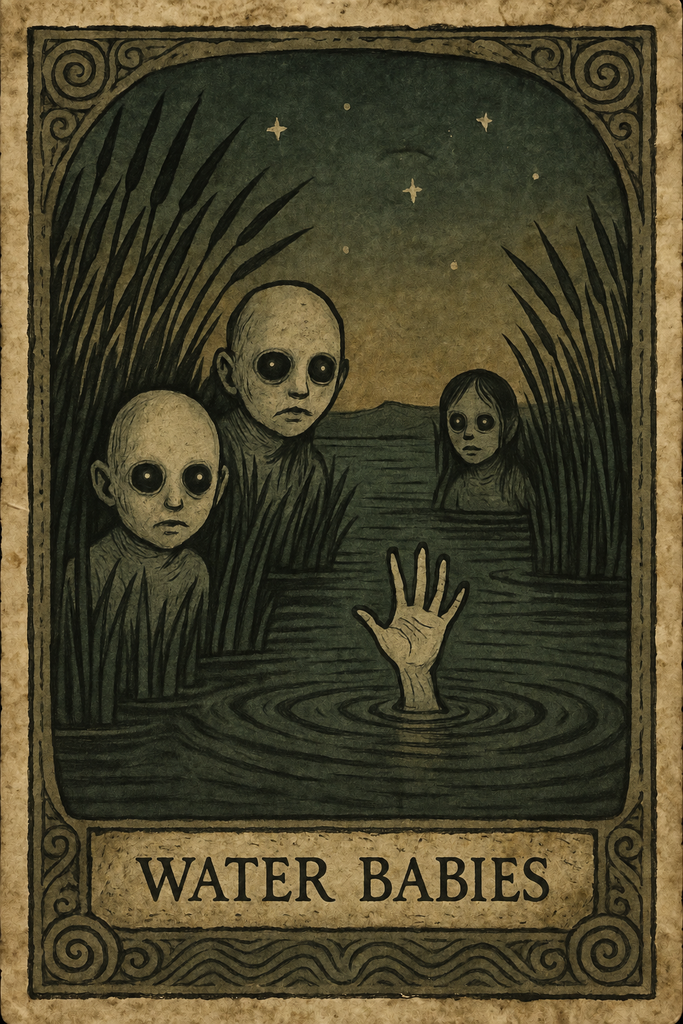
Pawapicts / Water Babies (Utah Valley and Provo River)
Water Babies, called Pawapicts in Ute accounts, are supernatural water beings documented in Utah Valley. Ethnologist Anne Smith recorded Ute stories about them during fieldwork in the 1930s. Utah Lake folklore materials describe long-haired beings that cried like infants and lived in local waters. Accounts varied in size, from hand-sized figures to beings resembling three- or four-year-old children.
Ute storyteller John Duncan, called Red Sunrise, described seeing Pawapicts beside the Provo River. He and another boy reportedly found them drying their long hair on a flat rock. When the boys approached, the beings dove into the river and the water began rising toward them. An 1849 pioneer journal also recorded a Ute tradition about a childlike water being at Punjun Spring. An 1851 retelling said infant-like wailing could be heard there at night.
Bigfoot of the Uintas (Uinta Mountains / Northeastern Utah)
The Bigfoot of the Uintas refers to reported hairy humanoids in Utah’s Uinta Mountains. A well-documented sighting occurred in August 1977 near Pass Lake and Cuberant Basin. Eight hikers told the Ogden Standard-Examiner they watched a large upright creature for about four minutes. They described it as roughly ten feet tall, dark-bodied, with white hair across its shoulders. Utah wildlife officials later investigated the area, but reported nothing conclusive.
The BFRO’s Summit County archive lists additional Uinta reports from 1986 through 2021. A fisherman reported unusual howls near Round Lake in 1986. Two elk hunters reported a tall biped near Chalk Creek in 2004. Hunters near Stateline Reservoir reported repeated wood knocks during an October 2021 trip.

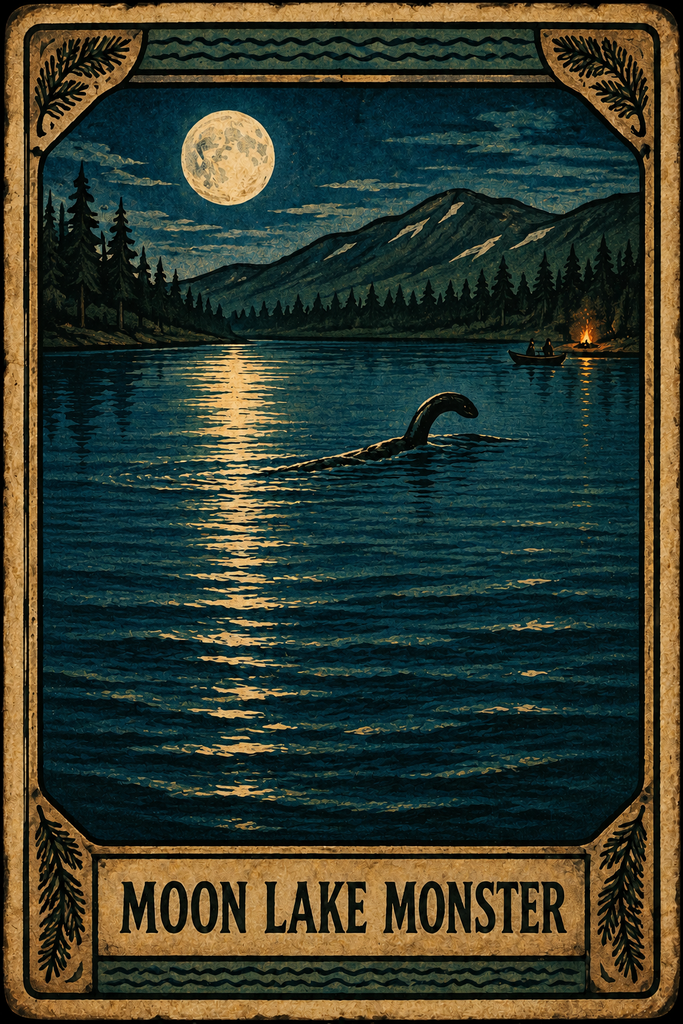
Moon Lake Monster, “Moonie” (Moon Lake / Duchesne County)
The Moon Lake Monster, or Moonie, is a lake-creature legend from Moon Lake in Duchesne County. A 1989 Deseret News article already listed stories of a Moon Lake Monster among local legends. Moon Lake Resort later preserved a 1998 account by former manager Bill Reardon. Reardon wrote that Gary Sutherland described a V-shaped ripple crossing calm water during a 1994 campfire. Three weeks later, Reardon reported seeing the same moving ripple at daybreak from the lodge. He saw no body above the surface, only water pushed by something just below it.
Reardon said the phenomenon returned several weeks later while his wife watched with him. The resort also preserves 1995 interviews describing darker, more animal-like forms following boats. One account described a log-like shape with a fin and water moving across apparent scales. Another described a black, bumpy form approaching a family’s boat before disappearing offshore. Moon Lake Resort still publishes these accounts alongside its ghost stories and other local legends.
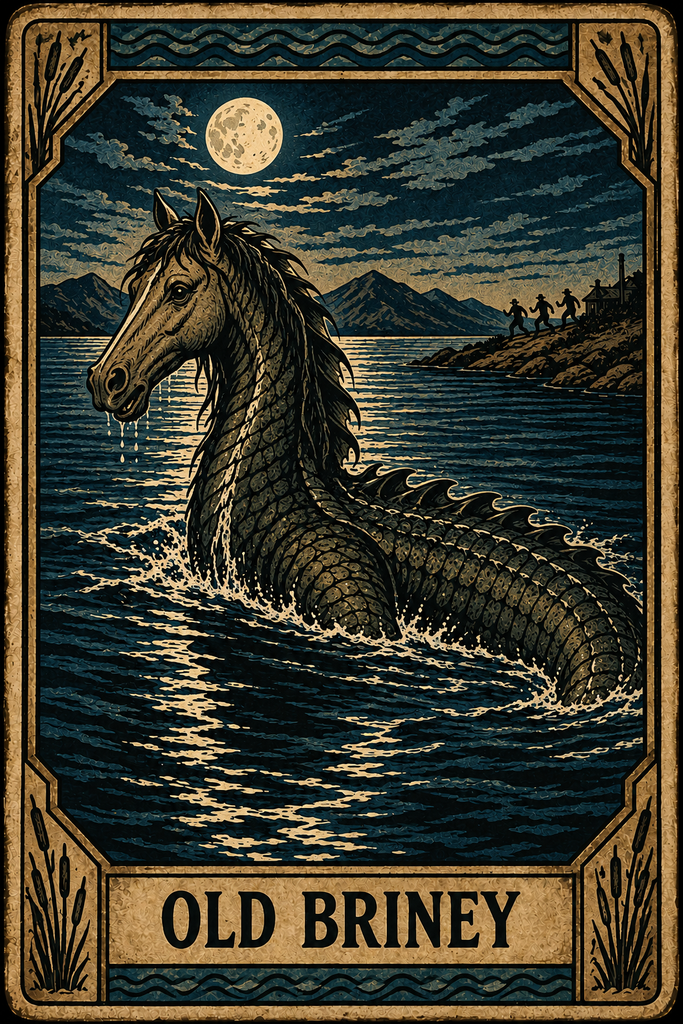
North Shore Monster (Great Salt Lake / Monument Point)
The North Shore Monster is a Great Salt Lake creature reported near Monument Point on July 8, 1877. A Salt Lake Semi-Weekly Herald report published July 14 described Barnes and Company salt workers hearing strange noises. They saw a large animal approaching shore, and J.H. McNeil described a crocodile-like body with a horse-like head. He estimated its length at seventy-five feet and said it bellowed before the workers fled into nearby hills.
The story resurfaced in later Utah histories and Great Salt Lake folklore. A 1994 Deseret News feature recounted McNeil’s encounter alongside other lake legends. Modern retellings also use the nickname Old Briney for the creature. The Davis Journal revisited the 1877 report in 2023 and quoted the historical description.
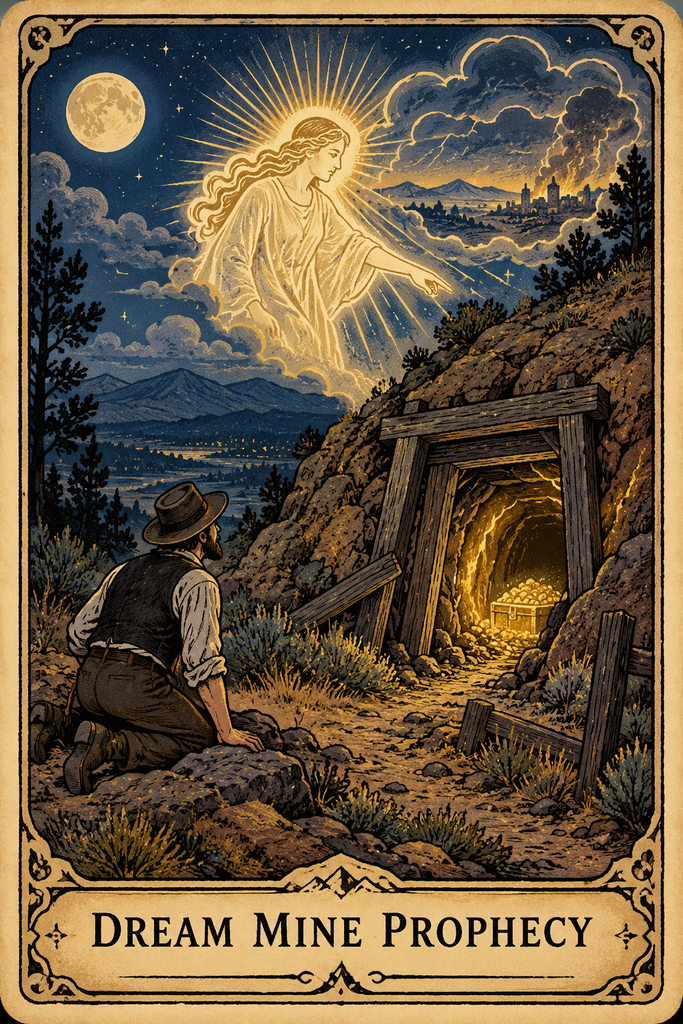
Dream Mine Prophecy (Relief Mine / Salem)
The Dream Mine, or Relief Mine, is a prophetic mining tradition east of Salem in Utah County. John Hyrum Koyle said a September 1894 dream revealed an ancient Nephite mine filled with treasure and artifacts. BYU Special Collections says the messenger instructed Koyle to extract gold during a future world crisis. The Koyle Mining Company formed in 1909, issuing 114,000 shares at one dollar each.
LDS Church leaders increasingly opposed Koyle’s claims and the mine’s fundraising. Apostle and geologist James E. Talmage examined the property and found no evidence promising commercial ore. Koyle repudiated his claims in 1947, reversed himself, and was excommunicated in April 1948. Utah County records show the Relief Mine Company received Koyle Mining Company property in 1961. In 2024, Axios reported roughly 7,500 shareholders still associated with the mine.
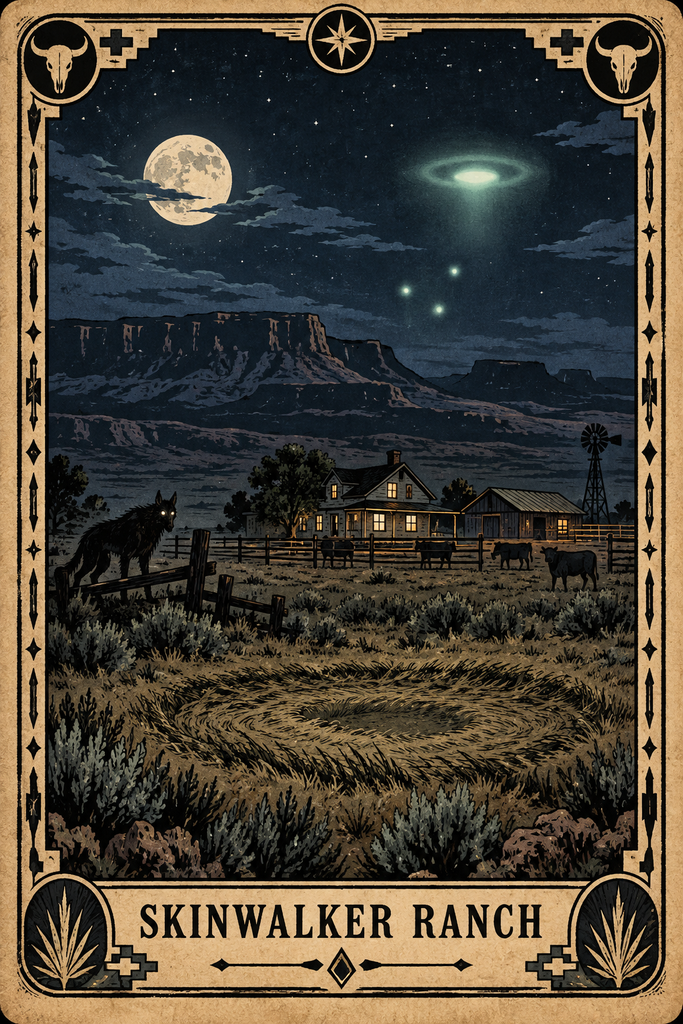
Skinwalker Ranch (Uintah County / Fort Duchesne Area)
Skinwalker Ranch is a modern paranormal legend complex centered on a private property in western Uintah County. In June 1996, Terry and Gwen Sherman described fifteen months of unusual events to the Deseret News. They reported UFOs, strange lights, cattle mutilations, unexplained voices, and circles of flattened grass. Robert Bigelow bought the 480-acre ranch that September for his National Institute for Discovery Science. NIDS installed researchers and surveillance equipment, turning the property into a long-term paranormal investigation site.
In 1997, NIDS spokesman John Alexander said researchers had recorded nothing significant enough to support the original claims. By 2006, researcher Colm Kelleher said gathering evidence suitable for scientific publication remained difficult. Bigelow’s team nevertheless reported additional unusual animals, lights, and cattle deaths during its years on the property. Utah businessman Brandon Fugal bought the ranch in 2016 and later opened its investigations to television production. History Channel premiered The Secret of Skinwalker Ranch in 2020, bringing the property to a much larger audience.